Dublin is one of the world’s most vibrant destinations, offering a mix of culture, history, cuisine, and modern charm. From its iconic landmarks to hidden gems, this travel guide covers everything you need to plan an unforgettable visit.
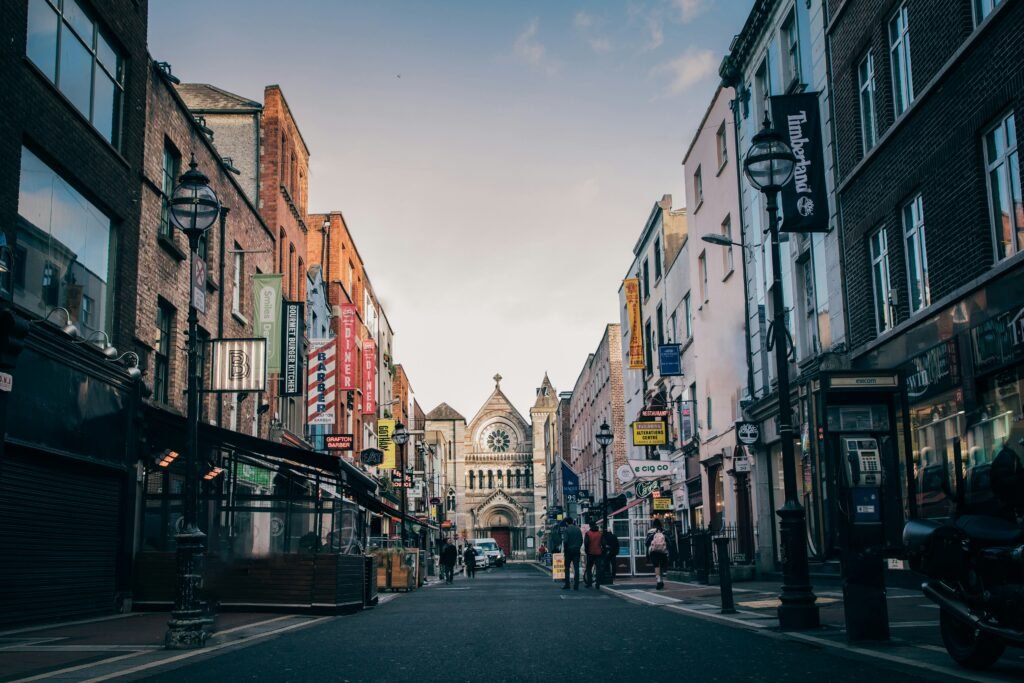
Planning your Dublin itinerary? Whether you’re searching for the best things to do in Dublin, a 3-day travel guide, or where to stay in Dublin near the top attractions, this post has you covered. Discover must-see sights, local dining spots, and the best neighborhoods to explore in Dublin. Perfect for solo travelers, couples, or families planning a city break or international adventure.
Looking for the best Dublin travel tips? This complete Dublin city guide highlights must-visit places, nearby excursions, top-rated hotels for tourists, and local food favorites. Don’t miss the nightlife, festivals, cultural landmarks, and parks. This guide is your go-to source for an unforgettable travel experience in Dublin.
Tourists often search for ‘how to plan a trip to Dublin’ or ‘top attractions in Dublin for first-timers’ — and this guide delivers it all. Discover which neighborhoods to stay in, what local dishes to try, and the best time of year to visit. Whether you’re visiting Dublin in summer or winter, this travel blog will help you plan the perfect trip.
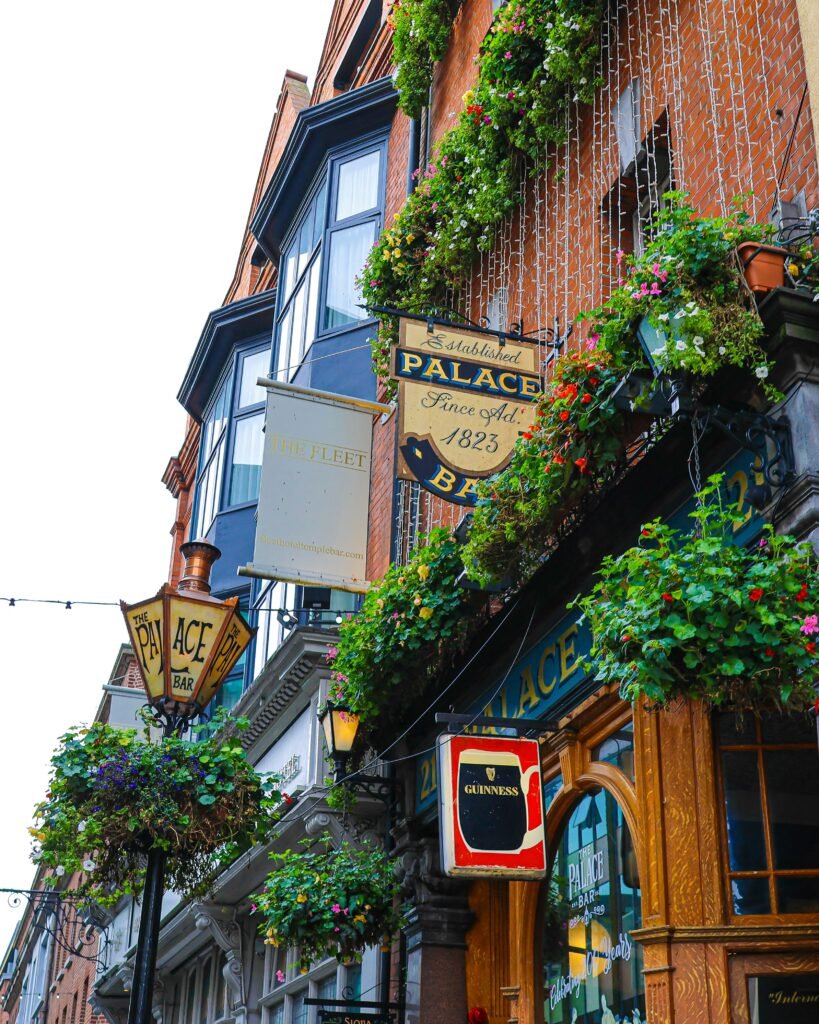
Top 10 Must-See Attractions
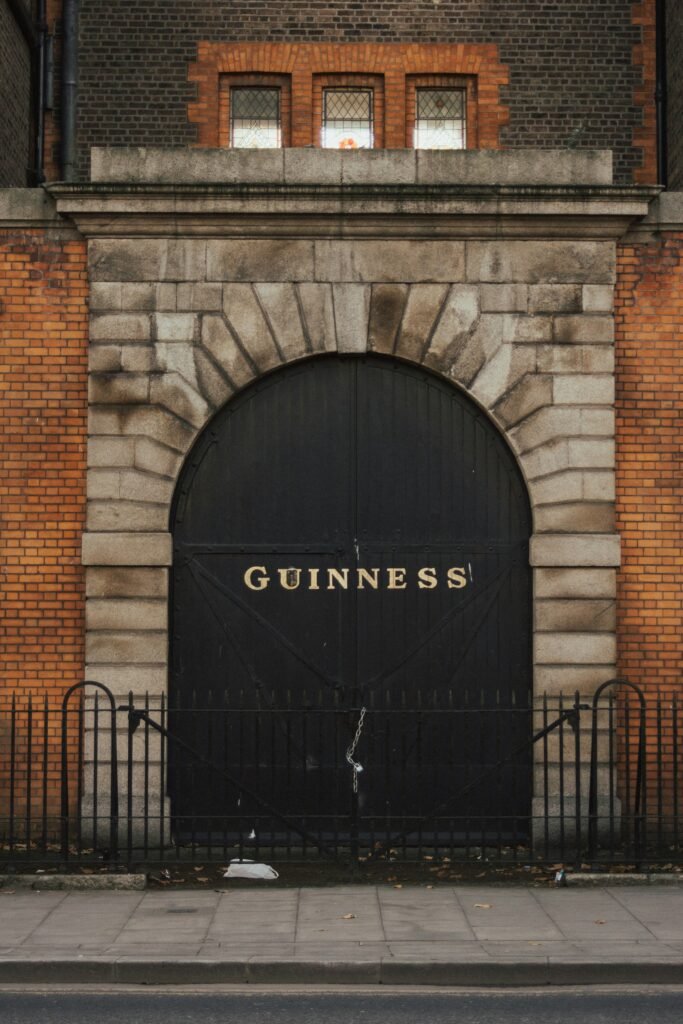
- Guinness Storehouse: Brewery experience with panoramic bar and Guinness history. Official site
- Trinity College & The Book of Kells: Historic college with famous illuminated manuscript. Official site
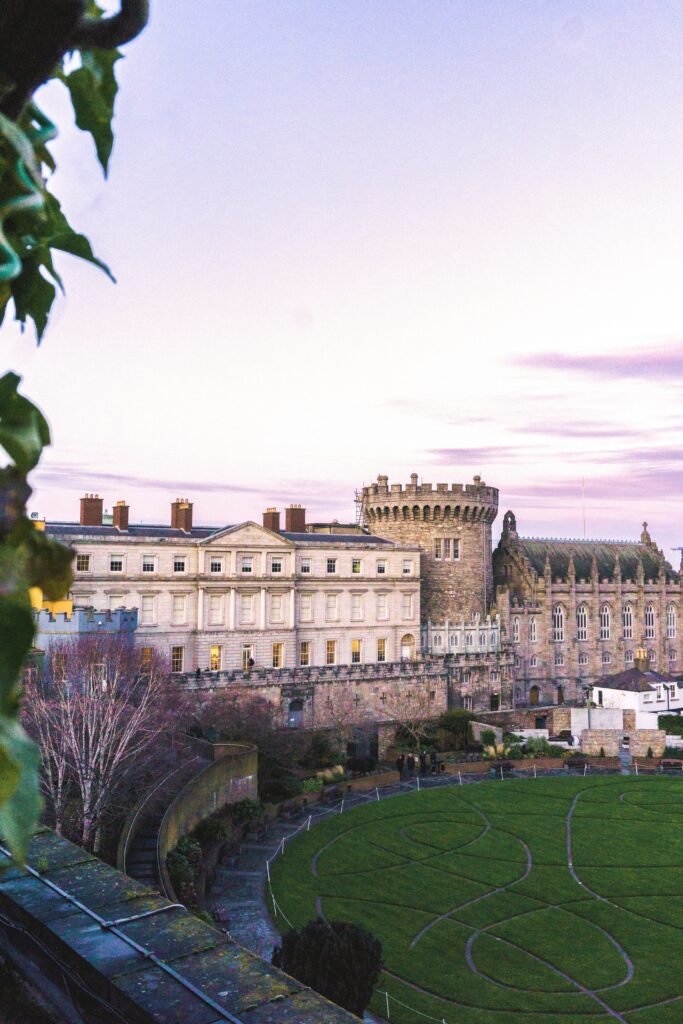
- Dublin Castle: Historic seat of British rule, now government buildings and museums. Official site
- St. Patrick’s Cathedral: Largest church in Ireland with stunning architecture. Official site
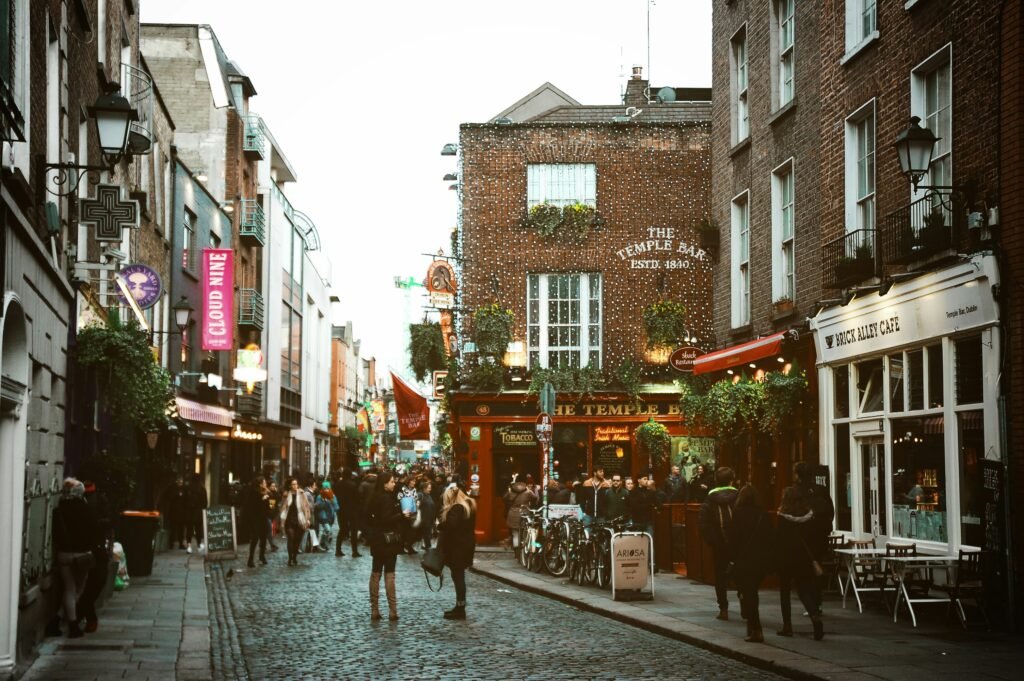
- Temple Bar: Cultural quarter known for pubs, music, and nightlife. Official site
- Phoenix Park: One of Europe’s largest enclosed city parks. Official site
- Kilmainham Gaol: Former prison now a fascinating museum. Official site
- Ha’penny Bridge: Iconic pedestrian bridge over River Liffey. Official site
- National Museum of Ireland: Museum covering archaeology, decorative arts, and more. Official site
- Grafton Street: Premier shopping street with lively atmosphere. Official site
Top 10 Restaurants, Bars & Cafés
- Chapter One: Michelin-starred restaurant with modern Irish cuisine. Official site
- The Winding Stair: Charming spot serving Irish classics and literature. Official site
- Forest Avenue: Elegant neighborhood restaurant with tasting menus. Official site
- Bastible: Contemporary dining with seasonal ingredients. Official site
- The Woollen Mills: Historic space with local comfort food. Official site
- Matt The Thresher: Seafood restaurant known for fresh catch. Official site
- Etto: Small bistro with creative dishes and wine list. Official site
- The Greenhouse: Fine dining with French-Irish influence. Official site
- Pig’s Ear: Modern Irish cuisine in a Georgian building. Official site
- Delahunt: Stylish eatery blending heritage and innovation. Official site
Top 10 Places to Stay
- The Merrion Hotel: Luxury hotel with Georgian elegance and gardens. Official site
- The Westbury: Upscale hotel with city views and fine dining. Official site
- The Shelbourne: Iconic 5-star hotel overlooking St. Stephen’s Green. Official site
- The Dean Dublin: Trendy hotel with rooftop bar and bold design. Official site
- The Alex: Chic hotel with modern amenities near city center. Official site
- The Clarence: Rock and roll-themed hotel by the river. Official site
- The Marker Hotel: Contemporary hotel in the Grand Canal area. Official site
- Dylan Hotel: Boutique hotel in a Victorian townhouse. Official site
- The Fitzwilliam Hotel: Sophisticated hotel on Grafton Street. Official site
- Buswells Hotel: Classic hotel with Irish charm near Parliament. Official site
5 Local Festivals and Events
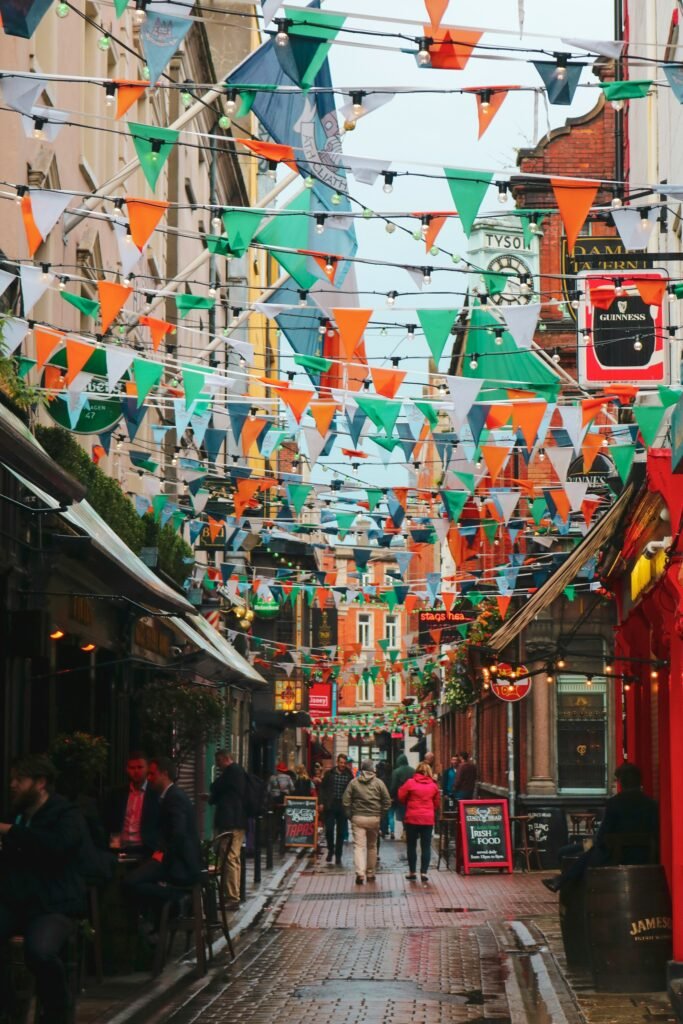
- St. Patrick’s Festival: March celebration with parades and Irish culture. Official site
- Dublin Fringe Festival: Cutting-edge performance and art in September. Official site
- Bloomsday Festival: June festival honoring James Joyce’s Ulysses. Official site
- Dublin Theatre Festival: Autumn festival of drama and theater. Official site
- Bram Stoker Festival: Halloween-themed event inspired by Dracula author. Official site
7 Best Neighborhoods to Explore
- Temple Bar: Vibrant area with pubs, art, and nightlife. Official site
- St. Stephen’s Green: Green oasis with upscale hotels and shopping. Official site
- Ballsbridge: Elegant residential area with embassies. Official site
- Docklands: Modern business district along the river. Official site
- Ranelagh: Trendy suburb with restaurants and shops. Official site
- Phibsborough: Creative neighborhood with vintage charm. Official site
- Portobello: Bohemian area with canals and cozy cafés. Official site
Top 10 Most Googled Questions About Dublin Travel
Is Dublin an expensive city to visit?
- Yes, Dublin is generally considered an expensive city, particularly for accommodation, dining (especially in tourist areas), and drinks in pubs. However, there are ways to enjoy the city on a budget, such as utilizing free museums and walking tours, and looking for deals on food and lodging.
When is the best time to visit Dublin?
- The best time to visit Dublin is during the late spring (April-May) and early autumn (September-October). The weather is milder, and there are fewer crowds compared to the peak summer months. Summer (June-August) is also popular with warmer temperatures, but tourist numbers are highest.
How many days do you need in Dublin?
- For a good overview of Dublin’s main attractions, including a few key sites and experiencing the pub culture, 2-3 full days are often sufficient. If you plan to take day trips outside the city or delve deeper into its museums and neighborhoods, 4-5 days would be better.
How do I get around Dublin?
- Dublin city center is very walkable, making it easy to explore many attractions on foot. For longer distances, you can use the extensive public transport network, which includes buses, the DART (suburban rail), and the Luas (tram system). Taxis and ride-hailing apps are also readily available.
What is Dublin famous for?
- Dublin is most famous for its vibrant pub culture, the Guinness Storehouse, Trinity College and the Book of Kells, its rich literary history (James Joyce, W.B. Yeats), and its friendly, welcoming atmosphere. Historic castles and cathedrals also feature prominently.
What local food and drink should I try in Dublin?
- You absolutely must try a pint of Guinness in a traditional pub! For food, look for Irish stew, coddle (a Dublin speciality), traditional fish and chips, and a hearty full Irish breakfast. Don’t forget Irish whiskey.
Is Dublin safe for tourists?
- Dublin is generally a safe city for tourists. Like any major city, exercise caution in crowded areas (like Temple Bar at night) for pickpockets. Most tourist areas are well-policed and friendly. Avoid walking alone in very quiet, unlit areas late at night.
What are the best day trips from Dublin?
- Popular day trips from Dublin include the Cliffs of Moher (though a long day), Powerscourt Estate & Gardens, the ancient monastic site of Glendalough, the historic town of Howth (for coastal walks and seafood), and the Boyne Valley (Newgrange, Tara).
What’s the pub culture like in Dublin?
- Dublin’s pub culture is a central part of its identity. Pubs are more than just places to drink; they are social hubs for conversation, live music (often traditional Irish music or “trad sessions”), and enjoying hearty food. It’s common to stand and socialize.
What are the best free attractions in Dublin?
- Many of Dublin’s top museums offer free admission, including the National Museum of Ireland (Archaeology, Natural History, Decorative Arts & History), Chester Beatty Library, and the National Gallery of Ireland. Walking through Phoenix Park, St. Stephen’s Green, and exploring Temple Bar by day are also free.
0 Comments