Ultimate Travel Guide to Seville
1. Introduction
Seville, the vibrant capital of Andalusia in southern Spain, is a city steeped in history and bursting with cultural charm. Nestled along the banks of the Guadalquivir River, Seville boasts a rich blend of Moorish, Gothic, Renaissance, and Baroque architecture that tells centuries of stories through its landmarks. Known globally for its flamenco dancing, historic palaces, and lively festivals such as Semana Santa and Feria de Abril, Seville captivates visitors with its enchanting atmosphere year-round.
A lesser-known fact about Seville is that its Cathedral houses the tomb of Christopher Columbus, adding a fascinating historical connection to the Age of Discovery. Another unique point is that Seville’s Giralda tower was originally built as a minaret during the Almohad dynasty, symbolizing the city’s multicultural heritage. Whether you are drawn by its captivating history or buzzing nightlife, this ultimate travel guide to Seville will help you uncover the best places to stay, eat, and explore in this Andalusian gem.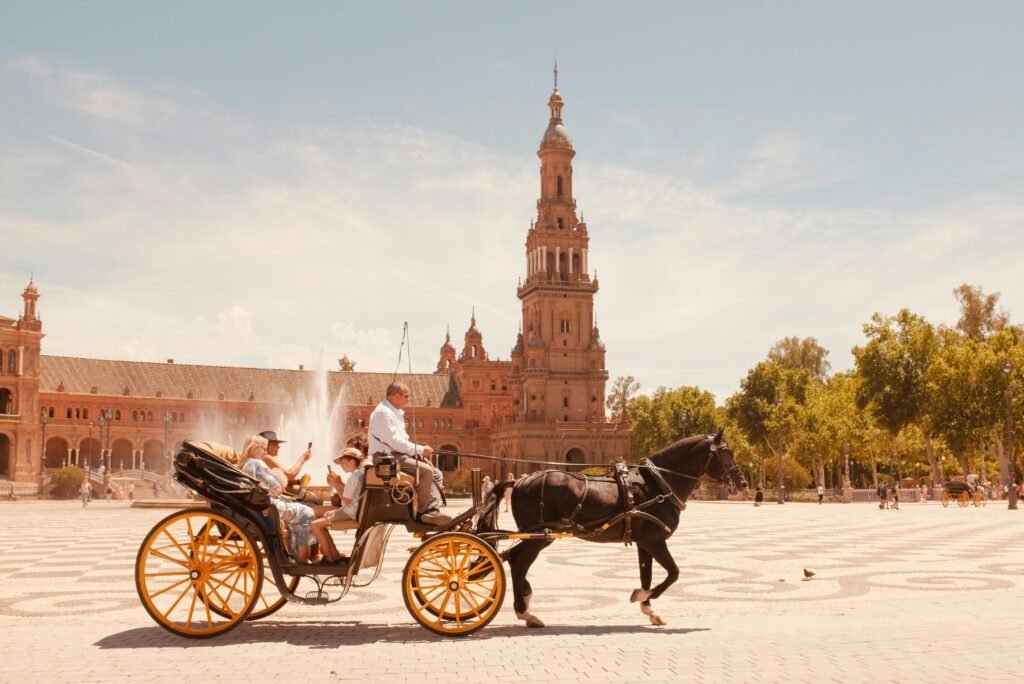
2. Where to Stay
- Hotel Alfonso XIII – Located in the heart of Seville next to the Royal Alcázar, this luxury hotel blends traditional Andalusian architecture with modern amenities, perfect for travelers seeking historical grandeur and comfort. https://www.hotel-alfonsoxiii-sevilla.com
- Gran Meliá Colón – A luxurious stay near the city center offering stylish rooms with contemporary design and a rooftop pool, ideal for leisure travelers who want elegance and convenience. https://www.melia.com/en/hotels/spain/seville/gran-melia-colon/index.htm
- EME Catedral Hotel – This modern, design-forward hotel sits opposite Seville Cathedral, boasting a rooftop terrace and pool with spectacular views, great for couples and urban explorers. https://www.emecatedralhotel.com
- Hotel Patio de las Cruces – A well-rated affordable option located in the Santa Cruz neighborhood, perfect for budget-conscious travelers looking for quaint, Andalusian-style accommodation. https://www.hoteldelascruces.com
- Hotel Becquer – Centrally located near Maria Luisa Park, this affordable hotel features modern rooms and excellent service ideal for families and sightseers. https://www.hotelbecquer.com
- Exe Sevilla Palmera – Offering modern comfort at a practical price, this hotel near the historic center suits travelers wanting easy access to attractions without a hefty price tag. https://www.exehoteles.com/hotel-exe-sevilla-palmera/
- Corral del Rey – A boutique hotel in a 17th-century palace decorated with local art and Caliphate-style details, ideal for those seeking an authentic and intimate Andalusian experience. https://www.corraldelrey.com
- Hotel Casa 1800 Sevilla – Housed in a restored 19th-century mansion near the Cathedral, this boutique hotel offers elegance and tranquility for romantic or solo travelers. https://www.hotelcasa1800sevilla.com
- La Banda Rooftop Hostel – A vibrant, local-ambiance hostel known for its social atmosphere and rooftop bar, perfect for young travelers seeking affordable stays with plenty of character. https://www.labandaroof.com
- Patio de la Alameda – An artsy, boutique guesthouse in a converted mansion featuring unique Andalusian décor and personalized hospitality, suited for culture lovers and design enthusiasts. https://www.patiodelaalameda.com
3. Where to Eat and Drink
- Abantal – Michelin-starred restaurant specializing in innovative Andalusian cuisine with creative flavors and artistic plating, located near the city center. https://abantalrestaurante.com
- El Rinconcillo – One of Seville’s oldest and most famous taverns, serving traditional tapas such as jamón ibérico and espinacas con garbanzos in a lively historic setting. http://www.elrinconcillo.es
- La Azotea – A modern tapas bar known for fresh, locally sourced dishes alongside an extensive wine list, popular among locals and tourists alike. https://www.laazoteasevilla.com
- Casa Morales – An authentic, rustic tapas bar with centuries-old oak barrels and traditional decor, offering classic Andalusian dishes near the Cathedral. http://www.casamorales.es
- El Pintón – Known for stylish interiors and contemporary Andalusian cuisine, this spot blends innovation with traditional flavors in the historic Macarena district. https://elpinton.com
- Bar Egaña-Oriza – Featuring a fusion of Basque and Andalusian cuisine with a refined atmosphere, this restaurant offers a curated experience of Southern Spain’s culinary diversity. https://www.bar-egan-orizasevilla.com
- Dulce Trazo – A charming café specializing in artisanal coffee, pastries, and light breakfast options, ideal for a relaxing break in the Arenal neighborhood. https://www.dulcetrazo.com
- La Carbonería – A lively cultural hub and bar featuring live flamenco performances alongside traditional tapas, perfect for an immersive Andalusian evening. http://www.lacarboneríasevilla.com
- Ovejas Negras – Trendy tapas bar with a creative menu and casual, energetic vibe, popular among younger travelers and locals alike. https://www.ovejasnegrassv.com
- La Cacharrería – A cozy café offering breakfast and brunch with fresh, organic ingredients and welcoming ambiance in the Alameda district. https://www.lacacharreriasevilla.com
4. Best Time to Visit
| Month | Avg High (°C) | Avg Low (°C) | Rainfall / Seasonal Notes |
|---|---|---|---|
| January | 16 | 6 | Low rainfall, mild winter climate |
| February | 17 | 7 | Similar to January, pleasant for sightseeing |
| March | 21 | 9 | Start of spring, mild with some rain |
| April | 23 | 11 | Spring festival season (Feria de Abril), moderate rain |
| May | 27 | 14 | Warm and sunny, ideal for outdoor activities |
| June | 32 | 18 | Hot start to summer, low rainfall |
| July | 36 | 21 | Peak summer heat, dry |
| August | 37 | 22 | Hottest month, tourist high season, dry |
| September | 32 | 19 | Still warm, some rain possible |
| October | 26 | 15 | Comfortable temperatures, start of rainfall increase |
| November | 20 | 11 | Increase in rain, mild autumn |
| December | 16 | 7 | Cooler, low rainfall |
Best months for sightseeing: March to May and September to November offer mild weather and fewer crowds, perfect for exploring the city’s landmarks and neighborhoods.
Best months for budget travel: January, February, and November are off-peak months with lower accommodation prices.
Best months for festivals: April (Semana Santa and Feria de Abril) attracts visitors for unforgettable cultural celebrations.
5. Top 10 Must-See Attractions
- Seville Cathedral and La Giralda – The largest Gothic cathedral in the world, home to the tomb of Christopher Columbus, crowned by the iconic Giralda tower offering panoramic city views. Visitors experience awe-inspiring architecture and rich history. https://www.catedraldesevilla.es
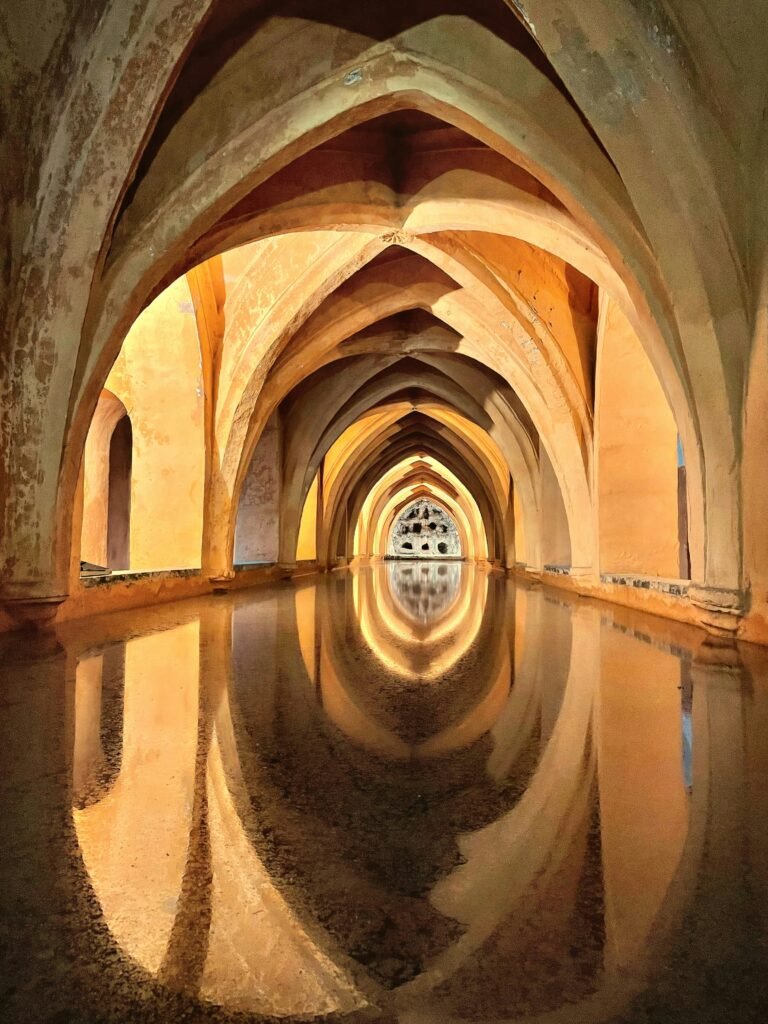
- Royal Alcázar of Seville – A stunning UNESCO World Heritage palace with exquisite Mudéjar architecture, lush gardens, and centuries of royal history. Visitors can explore its ornate rooms and tranquil courtyards. https://www.alcazarsevilla.org
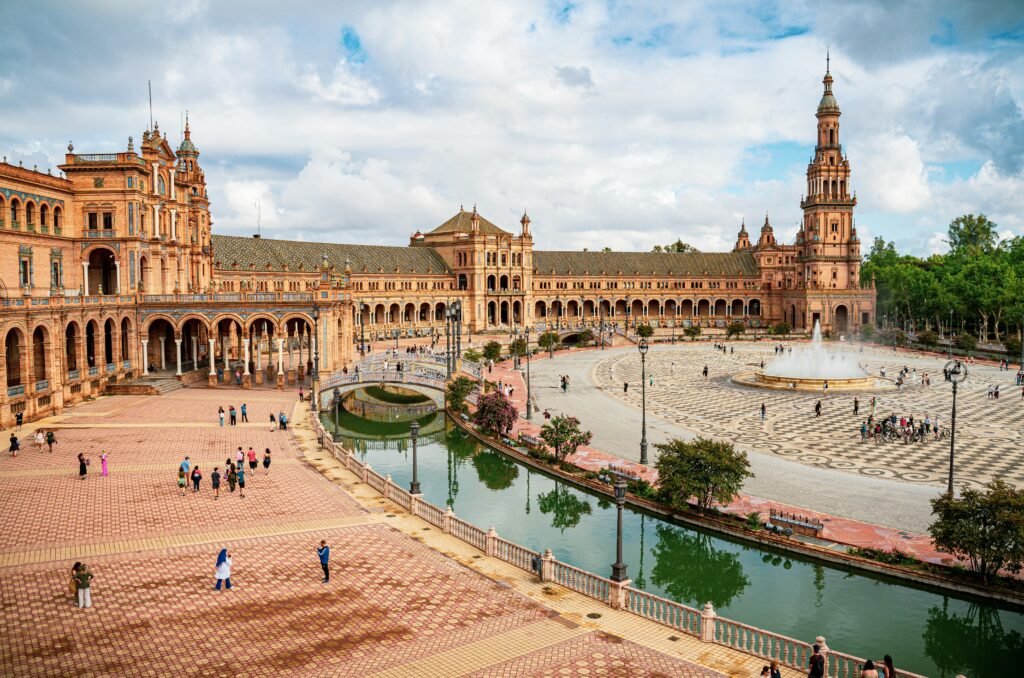
- Plaza de España – A monumental semi-circular plaza built for the Ibero-American Exposition of 1929, featuring tiled alcoves representing Spanish provinces and a serene canal. Ideal for a scenic stroll or boat ride. https://www.visitasevilla.es/en/que-ver/monumentos/plaza-espana
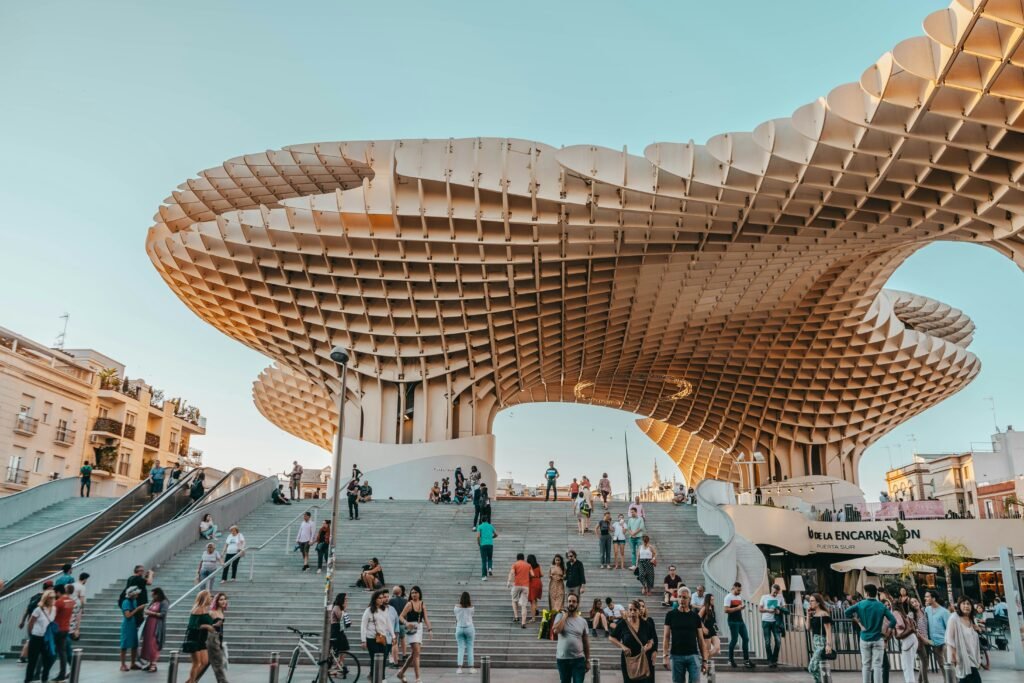
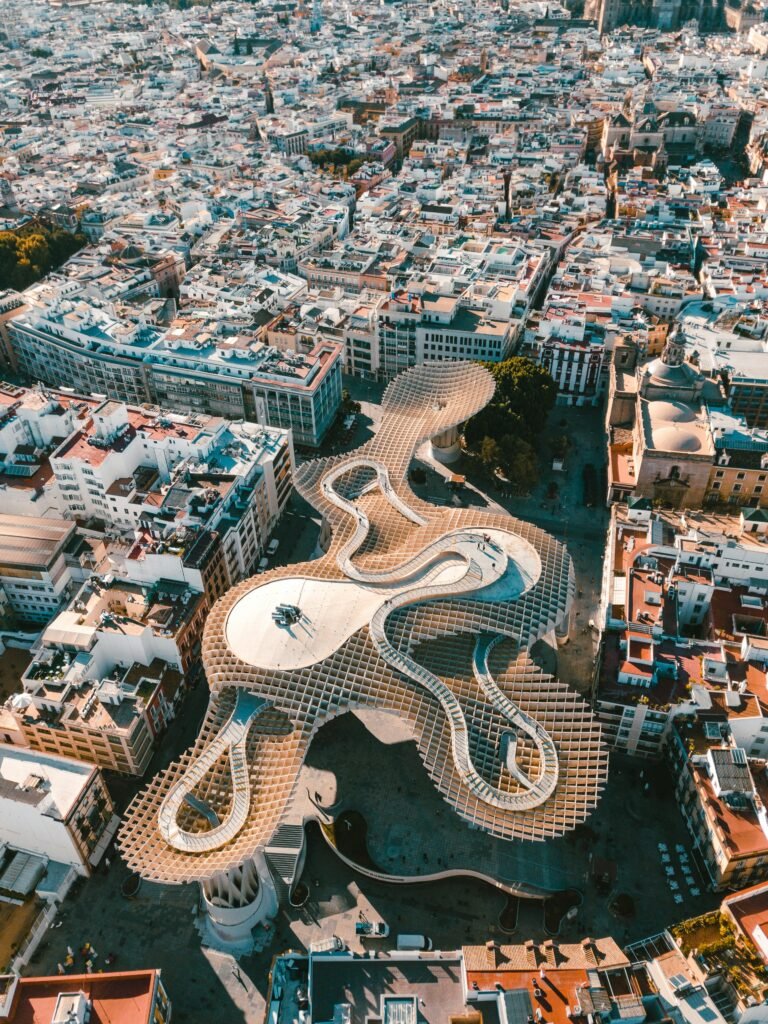
- Metropol Parasol (Las Setas) – A contemporary wooden structure resembling giant mushrooms offering panoramic views from its observation deck, plus shops and a market below. Visitors enjoy innovative architecture and city perspectives. https://www.setasdesevilla.com
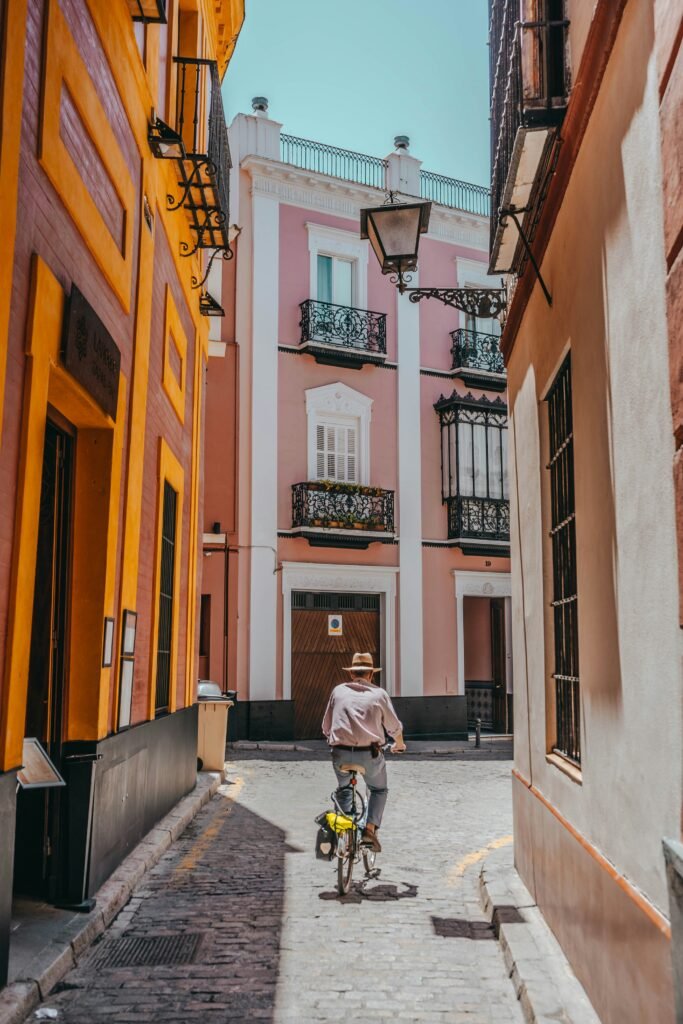
- Barrio Santa Cruz – The old Jewish quarter is characterized by narrow cobblestone streets, whitewashed houses, and charming plazas, perfect for wandering and discovering boutique shops and tapas bars. https://www.visitasevilla.es/en/neighbourhoods/santa-cruz
- Archivo General de Indias – A Renaissance building housing valuable historical documents on Spain’s colonial empire, declared a World Heritage Site, attracting history buffs and researchers. http://www.mecd.gob.es/cultura/areas/archivos/mc/centros/agi.html
- Plaza de Toros de la Maestranza – One of Spain’s most famous bullrings with a museum dedicated to the tradition of bullfighting. Visitors can tour the arena and learn about its cultural roots. https://www.realmaestranza.com
- Maria Luisa Park – A lush, expansive green space featuring fountains, gardens, and ponds, ideal for relaxation and outdoor activities close to key monuments. https://www.visitasevilla.es/en/que-ver/parques-jardines/maria-luisa-park
- Casa de Pilatos – A beautiful 16th-century Andalusian palace showcasing a blend of Renaissance, Gothic, and Mudéjar styles alongside an impressive art collection and gardens. http://www.casadepilatos.org
- Flamenco Dance Museum – Dedicated to the art of flamenco, this interactive museum offers performances and exhibits detailing the history of this passionate Andalusian dance. https://museoflamenco.com
6. 5 Most Popular Local Festivals and Events
- Semana Santa (Holy Week) – Usually in March or April, the city’s deeply religious and artistic Easter processions showcase elaborate floats and brotherhoods parading through the streets. One of the most important cultural events in Seville. https://www.semana-santa-sevilla.org
- Feria de Abril (April Fair) – Held two weeks after Easter Sunday, this colorful fair features flamenco dresses, horse parades, traditional music, and vibrant casetas (tents). It’s a major celebration of Andalusian culture and social life. https://www.visitasevilla.es/en/sevilla-events/feria-abril-de-sevilla
- Velá de Santiago y Santa Ana – In late July at the Triana neighborhood, this lively festival honors local patron saints with music, food stalls, and fireworks, reflecting Seville’s working-class maritime heritage. https://www.visitasevilla.es/en/eventos/vela-de-santiago
- Bienal de Flamenco – A prestigious flamenco festival held every two years (usually in September), attracting world-class artists and audiences to celebrate this significant art form. https://www.labienal.com
- Noche en Blanco – Typically in May, this “White Night” cultural event sees museums, monuments, and theaters open late with free admission and special activities across the city. https://www.visitasevilla.es/en/sevilla-events/noche-blanco-sevilla
7. Top 5 Neighborhoods to Explore
- Santa Cruz – This historic quarter offers a maze of narrow, flower-lined streets, whitewashed houses, and lively plazas filled with tapas bars. It is the old Jewish quarter and home to some of Seville’s most famous monuments, including the Cathedral and Alcázar, making it rich in history and atmosphere.
- Triana – Located across the Guadalquivir River, Triana is famed for its traditional ceramic workshops, vibrant nightlife, and authentic flamenco venues. The neighborhood holds a strong local identity tied to river trade and gypsy culture.
- El Arenal – Once the city’s port area, today El Arenal boasts the Plaza de Toros bullring, upscale restaurants, and waterfront promenades. It blends cultural heritage with lively entertainment options.
- Alameda de Hércules – A bohemian and artsy district known for its nightlife, avant-garde bars, and open plazas lined with palm trees. It attracts a younger crowd and creative types looking for relaxed vibes.
- Macarena – Rich in religious tradition and history, Macarena features the basilica of La Macarena, charming markets, and an authentic local feel removed from the tourist hotspots, perfect for immersive cultural experiences.
8. Top 10 Most Googled Questions About Seville
- What are the top things to do in Seville? Key highlights include visiting the Seville Cathedral and Giralda, exploring the Royal Alcázar, strolling through Barrio Santa Cruz, experiencing flamenco shows, and enjoying the Plaza de España and Maria Luisa Park.
- When is the best time to visit Seville? The best time to visit is during spring (March to May) and fall (September to November) when weather is mild and the city is less crowded, ideal for sightseeing and cultural festivals.
- How do I get to Seville? Seville is accessible by train, bus, and plane. The San Pablo Airport offers domestic and European flights, while high-speed trains connect Seville with Madrid and other major cities.
- What is the best neighborhood to stay in Seville? Santa Cruz is popular for its central location and historic charm, while Triana offers authentic local culture and nightlife. Both are excellent choices depending on traveler preferences.
- What should I eat in Seville? Must-try dishes include tapas such as jamón ibérico, salmorejo (a cold tomato soup), espinacas con garbanzos (spinach with chickpeas), and traditional Andalusian seafood.
- Is Seville safe for tourists? Yes, Seville is generally safe for tourists. Like any destination, visitors should take standard precautions regarding belongings and avoid poorly lit areas at night.
- How many days do I need to visit Seville? A 3 to 4-day visit is recommended to explore major landmarks, enjoy local cuisine, and experience cultural activities without rushing.
- Can I visit Seville on a day trip from Madrid? Yes, Seville is accessible via a 2.5-hour high-speed train from Madrid, making it possible to visit on a day trip, although staying overnight is preferable to fully experience the city.
- What festivals should I not miss in Seville? The Semana Santa (Holy Week) and Feria de Abril (April Fair) are the most important and widely celebrated festivals, featuring processions, music, dance, and traditional attire.
- Is it easy to get around Seville? Yes, Seville is walkable, especially in the historic center. Public buses and trams offer convenient transport to farther neighborhoods, and bike rentals are popular for short trips.
0 Comments